
Understanding Medical Thigh Supports: Your Guide to Pain Relief & Mobility Enhancement Introduction

Whether recovering from an injury, managing chronic pain, or seeking enhanced athletic performance, medical-grade thigh supports have become indispensable tools for millions worldwide. This guide explains their science, benefits, and how to choose the right product for your needs.
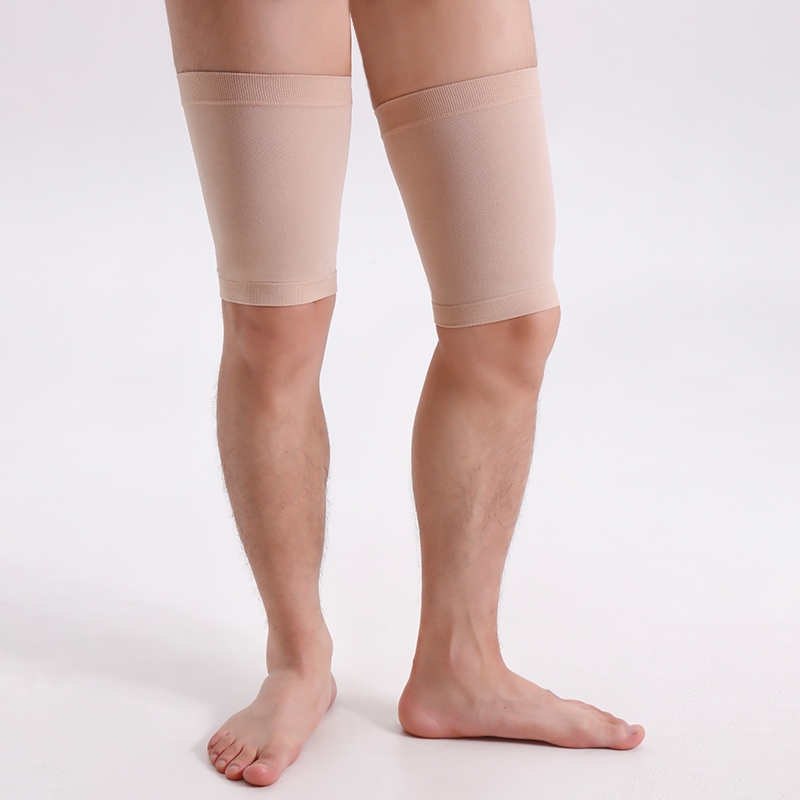
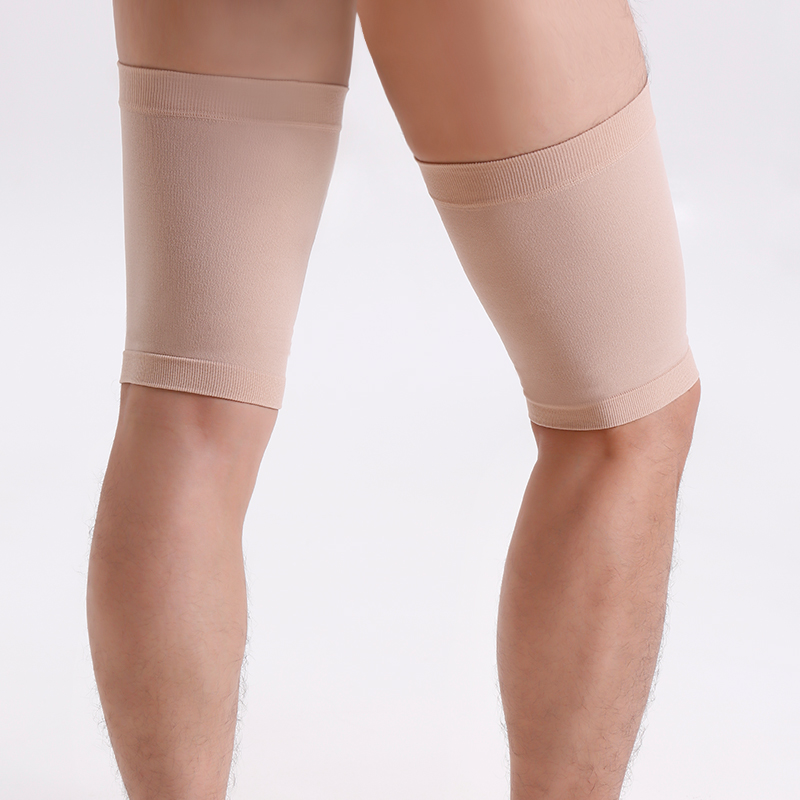
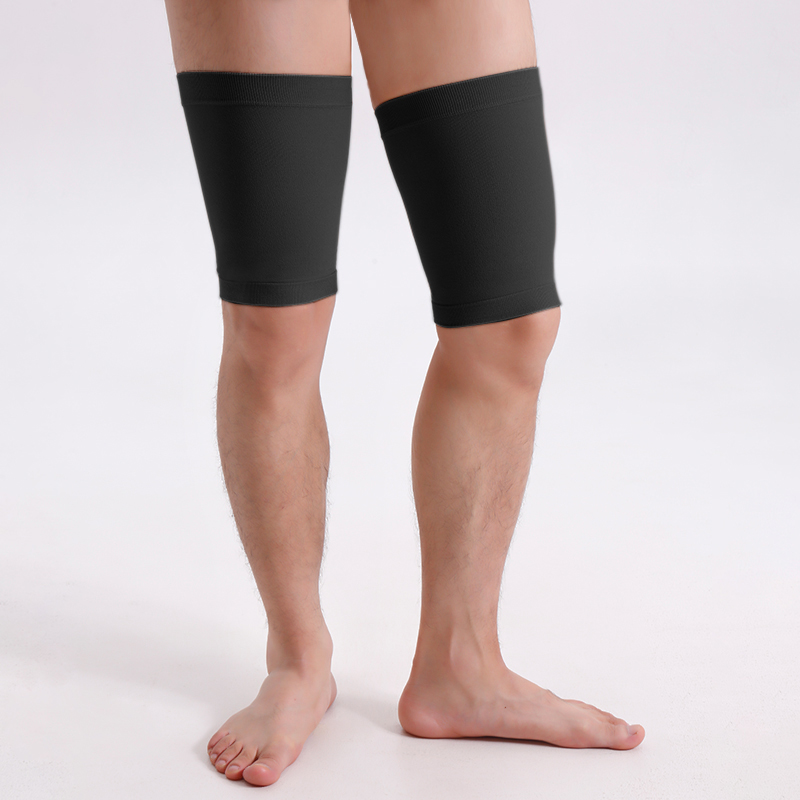
Section 1: What Are Medical Thigh Supports?
Medical thigh supports (also called compression sleeves or braces) are specially designed garments that apply targeted pressure to the thigh muscles, tendons, and joints. Unlike generic sports bands, these products undergo rigorous clinical testing to ensure:
- Graduated compression (tighter at the bottom, looser at the top) to improve blood circulation
- Anatomical fit for specific conditions like quadriceps strains, hamstring injuries, or IT band syndrome
- Breathable materials (neoprene, nylon blends) to prevent skin irritation during prolonged use
Section 2: Key Benefits
- Pain Management
- Reduces inflammation through improved venous return
- Alleviates symptoms of arthritis, bursitis, and tendonitis
- Injury Prevention
- Provides stability during high-impact activities (running, weightlifting)
- Minimizes micro-tears in overused muscles
- Post-Surgical Recovery
- Accelerates healing after procedures like ACL reconstruction
- Maintains proper joint alignment during rehabilitation
Pro Tip: For optimal results, combine thigh supports with physical therapy exercises recommended by your orthopedic specialist.
Section 3: How to Choose the Right Product
Consider these factors before purchasing:
- Compression Level:
- 15-20 mmHg (mild) for daily wear
- 20-30 mmHg (medium) for active recovery
- 30-40 mmHg (firm) for severe swelling (consult a doctor first)
- Material: Look for moisture-wicking fabrics with antimicrobial properties
- Size Guide: Measure thigh circumference at mid-thigh for accurate fitting
- Certification: Verify products meet medical standards like FDA clearance or CE marking
Section 4: When to Wear Them
- During sports activities (especially contact sports)
- While traveling (prevents deep vein thrombosis on long flights)
- At work if your job involves prolonged standing/sitting
- Post-workout recovery sessions
Warning: Avoid wearing compression garments while sleeping unless specifically advised by a healthcare provider.
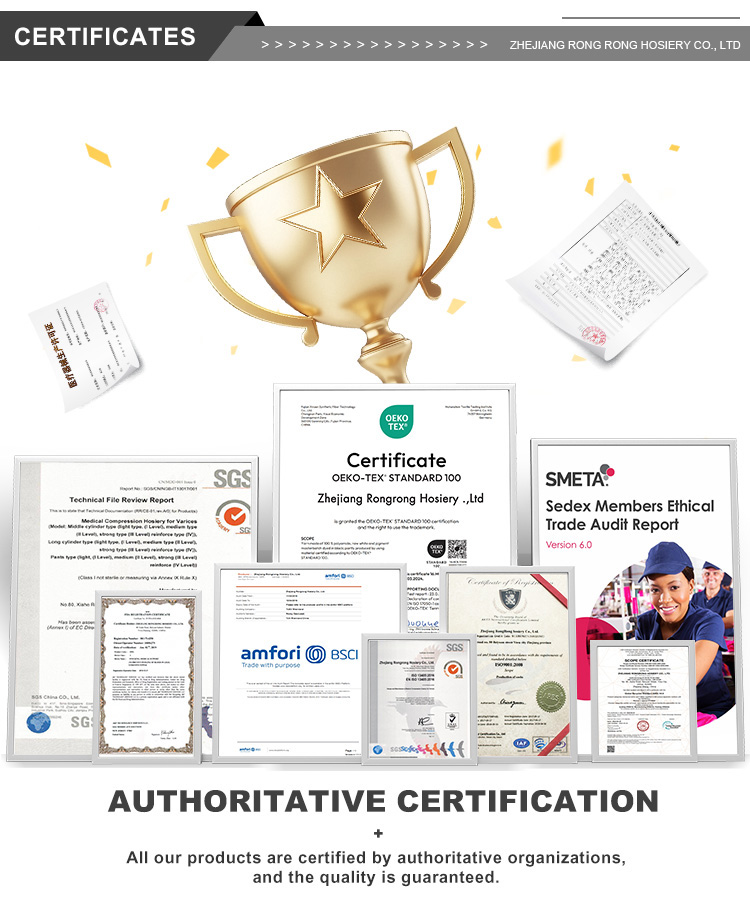
When you choose Rongrong, you are choosing more than just a product; you are choosing peace of mind backed by decades of expertise.
-
28 Years of Specialized Experience: Our deep-rooted knowledge in medical knitting technology is woven into every product we make.
-
International Certifications: Our compliance with FDA, CE, and ISO 13485 standards guarantees that our sleeves meet the highest global benchmarks for quality, safety, and efficacy.
-
Advanced German Engineering: We invest in superior manufacturing technology. Our professional Merz (Germany) production lines ensure every sleeve is produced with precision, consistency, and unmatched quality.
-
Flexible Sourcing Solutions: We understand that needs vary. That's why we offer both ready-to-ship stock for immediate needs and fully customizable solutions for specific requirements. Whether you are a distributor, a clinic, or an end-user, we've got you covered.
 Are Compression Socks Good for Running and Exercise?
  What Compression Socks Should I Wear After Surgery?
  Are Compression Socks Good for Older Adults?
  What Are the Best Compression Socks for Nurses?
  Are Compression Socks Safe to Wear During Pregnancy?
  What Are the Best Compression Socks for Long Flights? | Rongrong Hosiery
  What Are the Best Compression Socks for Standing All Day?
  What Compression Level Do I Need for Varicose Veins? | Rongrong Hosiery
  Should I Choose Knee-High or Thigh-High Compression Socks? | Rongrong Hosiery
  What Size Compression Socks Do I Need?
  How Should Compression Socks Fit? A Guide to Finding the Perfect Fit
  How Do I Measure for Compression Socks? A Complete Sizing Guide
  How Do I Choose the Right Compression Socks? A Complete Guide
  What Are the Best Compression Socks for Varicose Veins?
  How Tight Should Compression Socks Be?
  Can You Wear Compression Socks Every Day?
  Can You Wear Compression Socks on a Plane?
  How Often Should You Replace Compression Socks?
  How Do You Put On Compression Stockings?
  When Should You Put On Compression Socks?