
What Are Anti-Embolism Stockings?

After surgery or during a hospital stay, patients may spend long periods resting in bed. Limited movement can increase the risk of blood clots in the legs, which is why healthcare professionals may recommend special medical stockings as part of a prevention plan.
But what are anti-embolism stockings, how do they work, and how are they different from everyday compression socks? Understanding the basics can help you make more informed choices for recovery and comfort.
1. What Are Anti-Embolism Stockings and How Do They Work?
Anti-embolism stockings are specialized medical stockings designed to help support blood flow in the legs when a person has limited mobility, such as after surgery or during a hospital stay.
They apply graduated compression, generally with greater pressure around the ankle and less pressure further up the leg. This helps support venous blood returning toward the heart.
Potential benefits include:
-
Circulation support: Helps support blood flow in the legs when used appropriately.
-
Blood clot prevention: May be part of a healthcare professional's plan to reduce the risk of deep vein thrombosis (DVT).
-
Recovery support: Can be useful for certain patients who need to remain in bed or have reduced mobility.
Anti-embolism stockings are not guaranteed to prevent blood clots and may be combined with other preventive measures, such as medication or movement, depending on medical advice.
2. What Are Anti Embolic Stockings Used For?
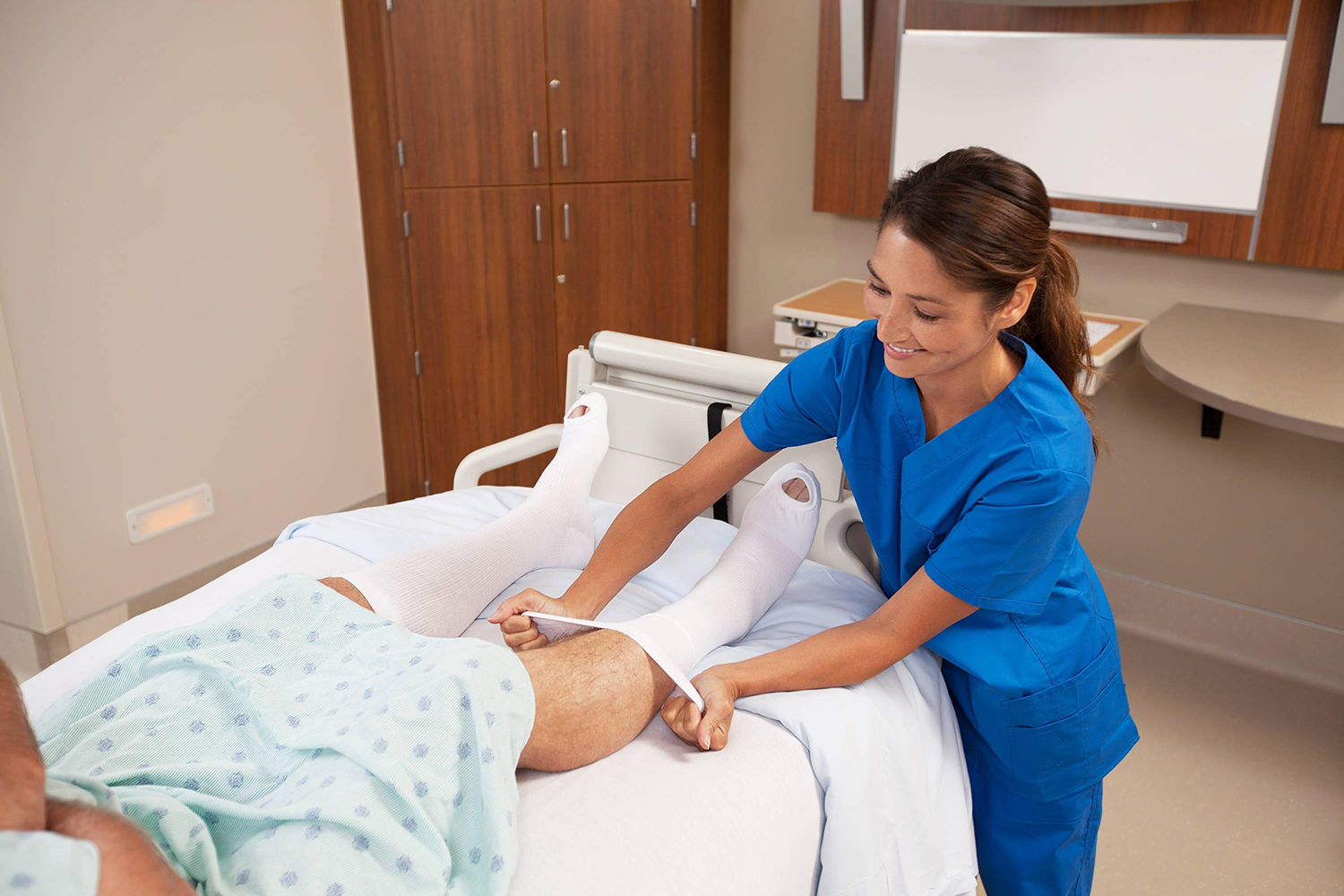
If you're wondering what are anti embolic stockings used for, the main purpose is to help reduce the risk of blood clots in selected patients with limited mobility.
Healthcare professionals may recommend them:
-
After certain surgical procedures.
-
During hospital stays when mobility is reduced.
-
During recovery periods when a patient is unable to move around as usual.
However, these stockings are not suitable for everyone. Patients with certain circulation problems, significant peripheral arterial disease, or other medical conditions may need a different approach. Proper assessment and sizing are essential.
Important: Anti-embolism stockings are different from everyday compression socks designed for walking, exercise, or prolonged standing. Do not substitute ordinary retail compression socks for medically prescribed stockings without professional approval.
3. What Is Antiembolic Stockings? Understanding the Right Fit
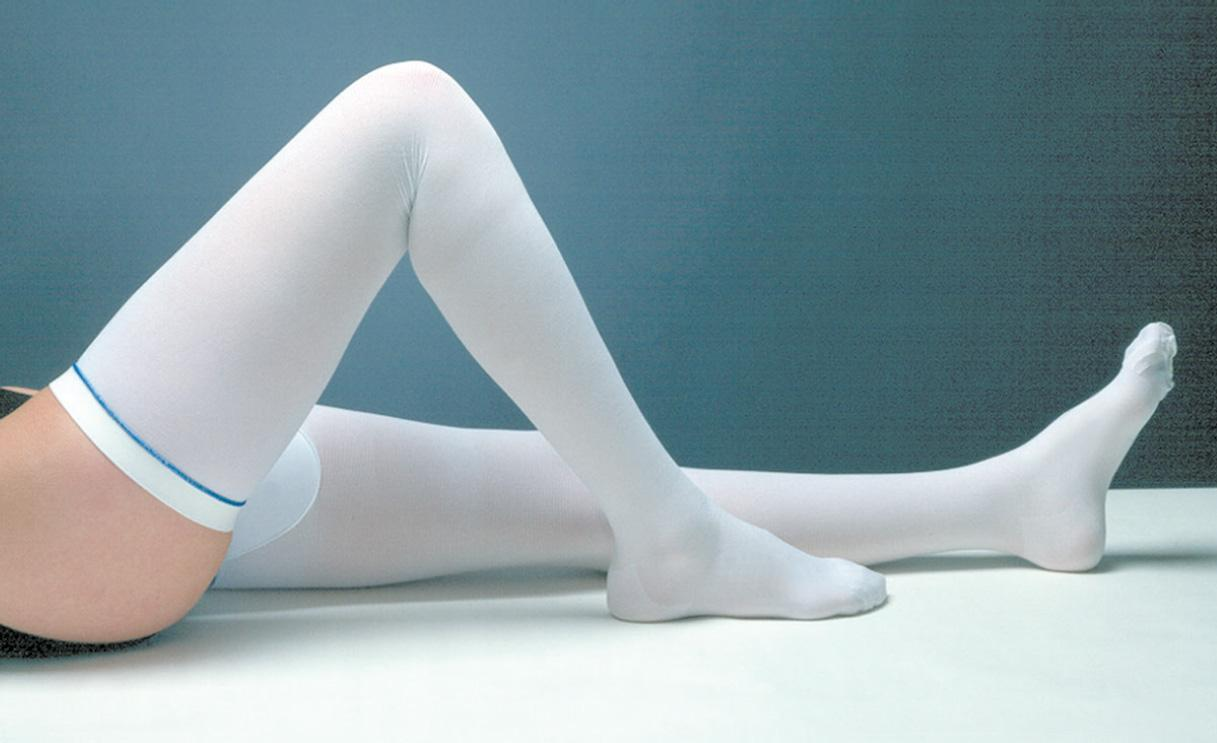
People searching for what is antiembolic stockings are often looking for a simple explanation: these are medical stockings intended to support circulation and help prevent blood clots in patients with reduced mobility.
Choosing the correct pair involves more than selecting a size or color. Consider these essentials:
-
Professional fitting: Follow your healthcare team's measuring and fitting instructions.
-
Appropriate compression: Use the type and pressure level recommended for your condition.
-
Comfortable materials: Soft materials and a suitable fit can make wearing stockings more manageable.
-
Regular checks: Follow instructions for checking the skin and ensuring the stockings are not folded, rolled, or causing discomfort.
If you experience new leg pain, swelling, redness, or warmth, seek prompt medical advice. Sudden shortness of breath or chest pain may indicate a medical emergency and requires immediate emergency care.
4. Explore Comfortable Sock Options with Rongrong Hosiery
Comfort, fit, and quality matter when choosing everyday hosiery. At Rongrong Hosiery, we focus on practical designs and comfortable materials for daily wear.
Explore our collection to compare available styles, sizes, and fabrics. If you need stockings for surgery, hospitalization, or blood clot prevention, consult your healthcare professional first to confirm the exact medical product you require.
The right choice starts with understanding your needs—and putting your health first.
 What Are the Best Compression Socks for Travel and Walking?
 Are Compression Socks Good for Running and Exercise?
 What Compression Socks Should I Wear After Surgery?
 Are Compression Socks Good for Older Adults?
 What Are the Best Compression Socks for Nurses?
 Are Compression Socks Safe to Wear During Pregnancy?
 What Are the Best Compression Socks for Long Flights? | Rongrong Hosiery
 What Are the Best Compression Socks for Standing All Day?
 What Compression Level Do I Need for Varicose Veins? | Rongrong Hosiery
 Should I Choose Knee-High or Thigh-High Compression Socks? | Rongrong Hosiery
 What Size Compression Socks Do I Need?
 How Should Compression Socks Fit? A Guide to Finding the Perfect Fit
 How Do I Measure for Compression Socks? A Complete Sizing Guide
 How Do I Choose the Right Compression Socks? A Complete Guide
 What Are the Best Compression Socks for Varicose Veins?
 How Tight Should Compression Socks Be?
 Can You Wear Compression Socks Every Day?
 Can You Wear Compression Socks on a Plane?
 How Often Should You Replace Compression Socks?
 How Do You Put On Compression Stockings?