
Benefits of Compression Socks for Neuropathy

Neuropathy can be a challenging condition to manage. It often causes discomfort, numbness, and pain in the feet and legs.
Many people seek relief through various treatments. One popular option is compression socks.
These socks are designed to improve blood flow. They apply gentle pressure to the legs, which can help reduce swelling.
Compression socks are available in different styles and sizes. They cater to both men and women, offering a range of options.
For those with neuropathy, these socks can be a valuable tool. They provide support and comfort, especially during sleep.
In this article, we will explore the benefits of compression socks for neuropathy. We'll also guide you in choosing the best pair for your needs.
Understanding Neuropathy: Causes and Symptoms
Neuropathy is a disorder affecting the nerves. It disrupts the normal communication between nerves and the brain. This condition is often linked to underlying diseases.
Several factors can cause neuropathy. Common causes include diabetes, infections, and autoimmune disorders. Sometimes, it arises from physical injuries or exposure to toxins.
Symptoms of neuropathy vary but often involve distress in the extremities. Sufferers may experience tingling, sharp pains, or muscle weakness.
Typically, neuropathy impacts the feet and legs the most. Here are a few common symptoms:
- Numbness or reduced ability to feel pain
- Tingling or burning sensations
- Sharp, jabbing, or throbbing pain
- Muscle weakness or paralysis
Prompt diagnosis is crucial for managing neuropathy. Early intervention can help mitigate symptoms and improve quality of life. This condition requires proper medical attention and care to address its complexities.
How Compression Socks Work
Compression socks function by applying pressure to the legs. This pressure promotes improved blood circulation throughout the lower extremities. Enhanced circulation can alleviate some neuropathy symptoms.
These socks are designed with varying compression levels. Measured in mmHg, this range offers different benefits. Selection depends on individual needs and the severity of neuropathy.
The mechanism is simple but effective. Here's how compression socks help:
- Increase blood flow and oxygen delivery
- Reduce swelling and edema in the legs
- Lessen the risk of blood clots
Graduated compression is a typical feature. These socks exert more pressure at the ankle. The pressure gradually decreases up the leg, enhancing comfort and support.
This design is particularly beneficial for managing neuropathy. The consistent pressure helps manage pain and discomfort, potentially improving daily mobility. For many, compression socks are a non-invasive solution to support neuropathy treatment plans.
Are Compression Socks Good for Neuropathy?
Compression socks are often recommended for managing neuropathy symptoms. They work by enhancing blood flow, which can reduce leg pain and swelling.
Many individuals with neuropathy experience numbness and tingling. By promoting circulation, compression socks can help mitigate these uncomfortable sensations.
The effectiveness of compression socks varies from person to person. Some find immediate relief from symptoms. For others, gradual improvements occur over time.
Here are some reasons compression socks are beneficial for neuropathy:
- Improve blood circulation
- Reduce numbness and tingling sensations
- Decrease swelling and discomfort
Consultation with a healthcare provider is crucial, especially for severe cases. They can recommend the right compression level and ensure safety.
Incorporating compression socks into a treatment plan may help maintain leg health. This holistic approach often includes lifestyle changes, medication, and consistent use of supportive footwear. Ultimately, while they aren't a cure, compression socks offer tangible benefits for neuropathy sufferers.
Key Benefits of Compression Socks for Neuropathy
Compression socks provide several advantages for individuals with neuropathy. They are primarily known for improving blood circulation in the legs.
Enhanced circulation brings about multiple benefits. It helps in alleviating pain and managing the symptoms associated with neuropathy.
These socks apply gentle pressure, reducing discomfort in the feet and legs. The compression can also lessen swelling and the sensation of heaviness.
Here are some key benefits you may notice:
- Alleviation of leg fatigue
- Reduced numbness and tingling
For those with neuropathy, the risk of blood clots may also decrease. Improved circulation supports healthier tissue, minimizing further complications.
Compression socks not only promote comfort but also increase confidence. Offering additional stability makes walking easier, which many find reassuring.
Additional perks include:
- Better management of chronic pain
- Prevention of symptom progression
Choosing the right fit and material is essential for maximizing these advantages. Breathable, moisture-wicking fabrics are especially beneficial to prevent skin irritation.
In sum, compression socks prove to be a valuable tool in neuropathy management. They work in tandem with other therapeutic measures to enhance quality of life.
by The Happy Toe (//unsplash.com/@thehappytoe)
Neuropathy Socks for Sleeping: Nighttime Relief
Night can be particularly challenging for those with neuropathy. Discomfort and pain often worsen, disrupting sleep.
Neuropathy socks designed for sleeping offer much-needed relief. They provide gentle pressure that eases nighttime symptoms.
These socks can improve overall sleep quality by reducing leg pain. With better rest, your body can recover more effectively.
When choosing neuropathy socks for sleeping, consider the following:
- Optimal compression level for relaxation
- Breathable materials to avoid overheating
- Proper fit to ensure comfort all night
Wearing these socks at night can make mornings more bearable. They help start the day with less soreness and stiffness.
Finding the right nighttime sock can transform your sleep routine. Say goodbye to restless nights and hello to refreshing sleep.
Neuropathy Socks for Men: Finding the Right Fit
Men with neuropathy often require socks that accommodate larger foot sizes. It's crucial to find a pair that offers adequate compression without being restrictive.
A well-fitting neuropathy sock can significantly enhance comfort levels. It should provide the right amount of pressure to improve circulation and reduce swelling.
When selecting neuropathy socks for men, focus on:
- Sizing that matches larger foot dimensions
- Compression levels suitable for symptom relief
- Durable materials that withstand daily wear
Choosing the right fit ensures effective symptom management. Properly sized socks can help maintain blood flow and manage leg discomfort. Prioritize comfort and functionality for the best results.
Choosing the Best Compression Socks for Neuropathy
Selecting the right compression socks for neuropathy is vital for effective symptom management. The ideal pair should offer comfort, breathability, and appropriate pressure.
Compression levels are measured in mmHg. It's important to choose socks with a suitable compression range for your condition. Common ranges include:
- 15-20 mmHg for mild symptoms
- 20-30 mmHg for moderate symptoms
- 30-40 mmHg for severe symptoms
Material plays a crucial role too. Opt for breathable, moisture-wicking fabrics to prevent skin issues. Soft materials reduce the risk of irritation and promote all-day comfort.
Consider the style of the socks as well. Options like knee-high, thigh-high, or full-length are available. The choice depends on personal preference and symptoms' location.
The best compression socks balance functionality with personal comfort. Always ensure a proper fit to maximize the benefits. A snug fit is key to enhancing blood circulation effectively.
by Carl Kho (//unsplash.com/@carlkho)
Personal needs should guide your selection process. Consulting a healthcare provider can help determine the most suitable compression level and style.
How to Use Compression Socks Safely
Using compression socks safely is crucial to avoid discomfort or adverse effects. Proper fit and usage are essential for achieving desired results.
First, ensure the socks fit snugly. They should not be overly tight or hard to put on. Proper fitting helps enhance circulation and maximize comfort.
When wearing compression socks, ensure to:
- Check skin regularly for signs of irritation
- Follow guidelines on maximum wearing duration
- Remove if experiencing pain or tingling
Wear your compression socks during active periods or as advised by a healthcare provider. This approach helps maintain proper blood flow and supports symptom relief.
Consulting with a medical professional before starting is wise, especially if you have other health issues. This ensures compression socks are used safely and effectively as part of your neuropathy management strategy.
Potential Risks and Side Effects
While compression socks are beneficial, they come with potential risks. It's essential to be aware of possible side effects.
Tight compression can lead to discomfort or restricted blood flow. If socks are too tight, they can cause numbness or skin irritation.
Possible side effects include:
- Skin rashes or irritation
- Worsening of existing health conditions
- Swelling if worn improperly
Always choose the correct size and follow guidelines to minimize risks. If you experience any adverse effects, discontinue use and consult a healthcare provider.
Frequently Asked Questions
How often should I wear compression socks?
It's recommended to wear them during the day when you're most active. Remove them before sleeping unless directed by a healthcare professional.
Do I need a prescription for compression socks?
While many types are available over-the-counter, certain medical-grade socks may require a prescription for insurance coverage.
Can compression socks be washed regularly?
Yes, regular washing is important to maintain their elasticity and hygiene. Follow the manufacturer's washing instructions closely.
FAQs Recap:
- Daily wear is ideal.
- Prescription may be needed for specific types.
- Regular washing maintains elasticity.
Conclusion: Compression Socks as Part of Neuropathy Management
Compression socks can play a significant role in managing neuropathy symptoms. They offer a simple and non-invasive approach that can be easily integrated into your daily routine. By improving circulation and providing support, they help alleviate discomfort.
Consultation with a healthcare provider is key before starting to use compression socks. This ensures they suit your specific needs and conditions. Each individual's experience with neuropathy is different, and a tailored approach is best.
Incorporate compression socks as part of a broader neuropathy management plan. This strategy can include lifestyle changes, medication, and therapeutic interventions. Together, these measures can enhance your comfort and overall quality of life.
 What does 30-40 mmHg compression mean?
  What is the difference between 15-20 and 20-30 mmHg?
  Which Compression Class Should I Choose?
  What Compression Level Is Best for Varicose Veins?
  Best Compression Socks for Varicose Veins:20-30 mmHg Guide
  Support Socks for Varicose Veins-How Do They Help?
  Do Compression Stockings Reduce Varicose Veins?
 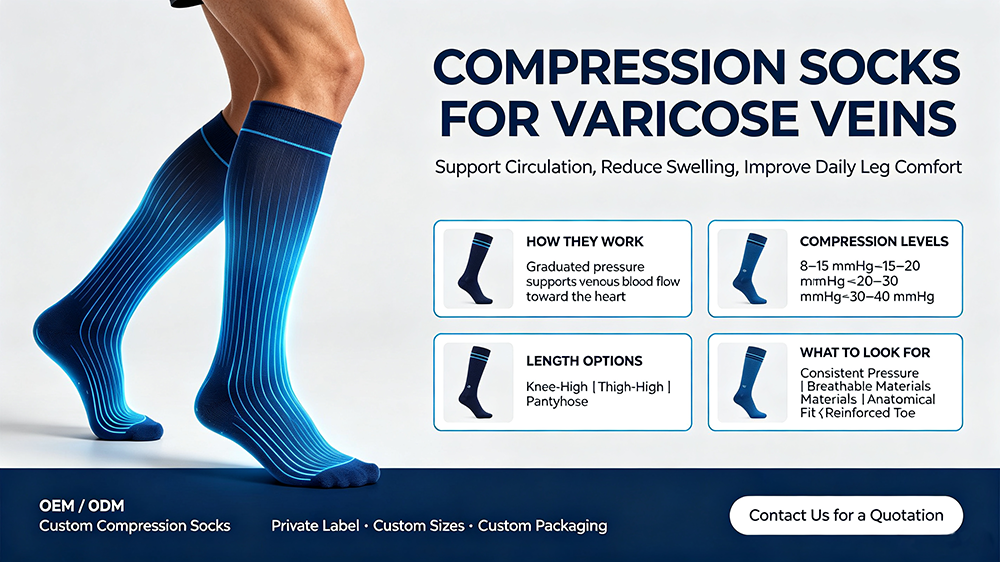 Do Compression Socks Help Varicose Veins?
  TED Anti-Embolic Stocking Sizing and Measurement Guide
 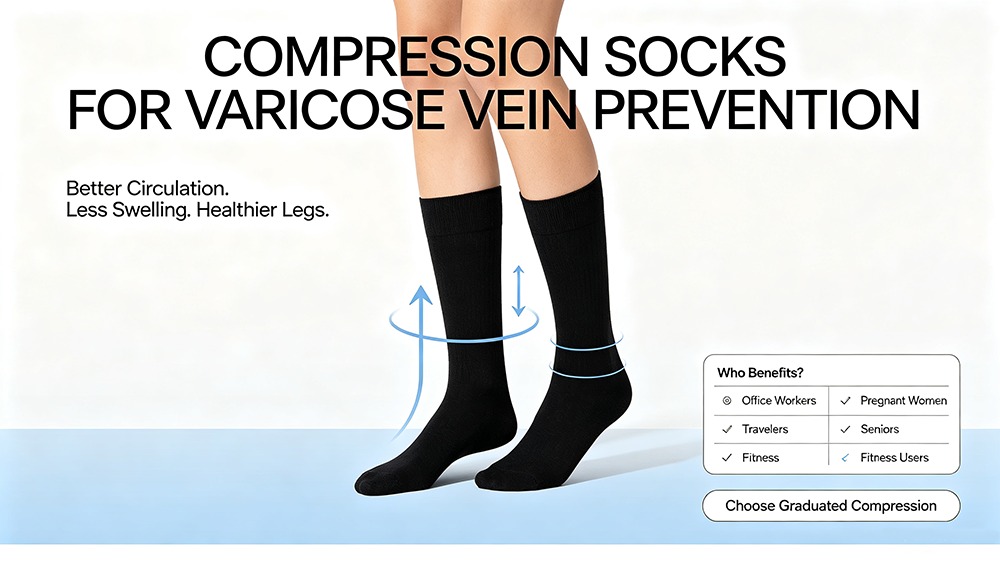 Can Compression Socks Prevent Varicose Veins? The Truth & Proven Benefits
  When is the best time of day to wear compression socks?
 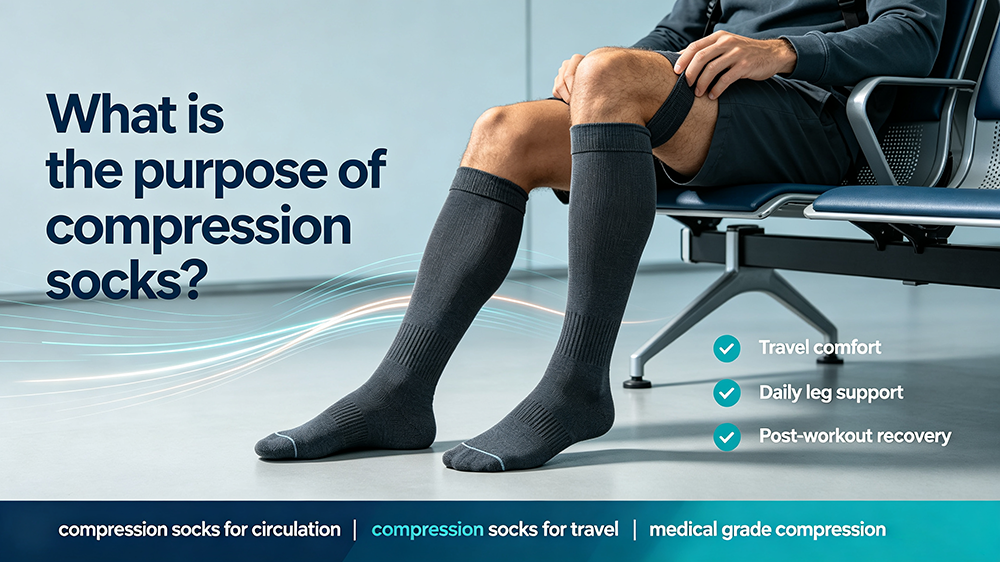 What is the purpose of the compression socks?
  When Should You Not Wear Compression Socks?
 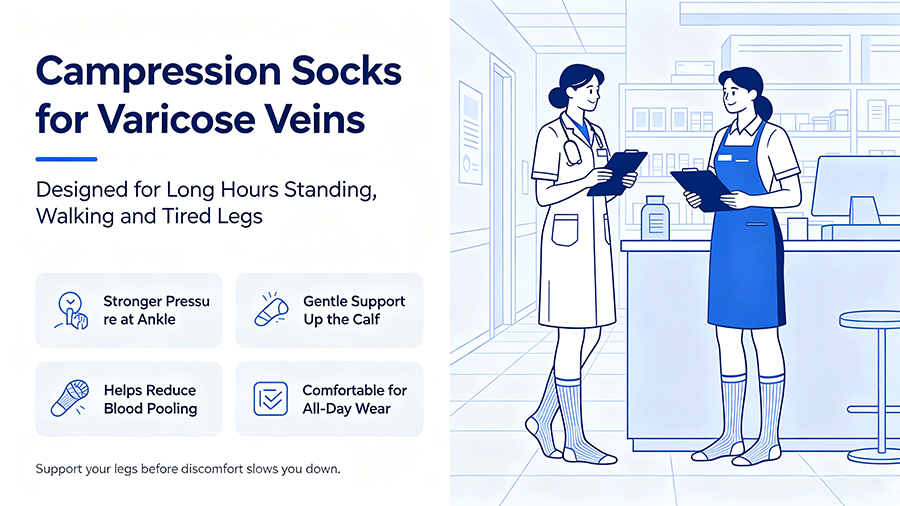 Will Compression Socks Help Varicose Veins?
  Medical Compression Socks Manufacturer & OEM Partner
  Why Nurses Wear Compression Socks: Benefits for Long Hours Standing?
  Medical Compression Socks Manufacturer with 30 Years of Manufacturing Experience
  Compression Socks for Athletes: Recovery Benefits After Training
  Best Compression Socks for Running: Do They Really Improve Performance?
  Best Compression Socks for Long Flights and Travel