
How to Measure for Anti-Embolism Stockings?
author: Jerry Guo
2026-11-12

Why Proper Measurement Matters?
-
Correct compression gradient: Anti-embolism stockings apply graduated pressure—tightest at the ankle, easing up the leg. Only accurate sizing ensures this gradient works as designed.
-
Comfort for long wear: TED stockings are often worn 24 hours a day. Poor fit leads to rolling, digging, or slipping.
-
Safety first: Stockings that are too tight can restrict circulation; too loose and they won't prevent clot formation.
Tools You'll Need
-
A flexible measuring tape (cloth or vinyl works best)
-
A pen and notepad—or your phone—to record each measurement
-
A helper if possible (easier for calf and thigh readings)
-
Measure in the morning, before swelling builds during the day
-
Important: Always measure the leg while lying down, if possible, or while seated with legs elevated, as recommended by most manufacturers.
Step-by-Step: How to Measure for TED Stockings
Follow the steps below based on the stocking length your care provider recommends—knee-high or thigh-high.
For Knee-High (Calf-Length) Stockings
-
Measure the ankle circumference at the narrowest point, just above the ankle bone.
-
Measure the calf circumference at its widest point.
-
Measure the calf length from the floor (or the bottom of the heel) up to the bend of the knee.
For Thigh-High Stockings
-
Measure the ankle circumference as above.
-
Measure the calf circumference at its widest point.
-
Measure the thigh circumference around the widest part of the thigh, just below the buttock crease.
-
Measure the leg length from the floor to the gluteal fold under the buttock.
Pro Tips for Accurate Results
-
Measure both legs. Many people have slight differences in size—order based on the larger leg if there's a noticeable difference.
-
Don't pull the tape too tight. The tape should rest snugly against the skin without compressing it.
-
Wear what you'll normally wear. If you'll wear the stockings over bare skin, measure bare legs; if over light dressings, account for that.
-
Round to the nearest fraction of an inch or centimeter, and compare carefully against the brand's size chart—sizes vary between manufacturers.
Matching Your Measurements to the Right Size
-
Most TED stockings size by combining circumference (ankle + calf ± thigh) and length.
-
Common categories include Small, Medium, Large, and X-Large, with standard and long/petite variants.
-
If your measurements fall between two sizes, consult the manufacturer's chart—many brands recommend sizing down for compression garments, but anti-embolism stockings often follow different rules. When in doubt, ask your clinician or pharmacist.
-
Remember: a size that fits your calf but is too short in length will slip and bunch—fit both dimensions.
Signs Your TED Hose Fit Correctly
After putting on your stockings, check that:
-
The heel pocket sits snugly at your heel—not halfway up your foot.
-
There are no wrinkles, folds, or rolled-down tops.
-
The stocking feels firm but not painful; your toes stay warm and pink.
-
You can slide a finger under the top band without a struggle.
If you notice numbness, tingling, cold toes, or skin discoloration, remove the stockings and contact your healthcare provider immediately.
Where to Go From Here?
Now that you know how to measure for TED stockings, you're ready to shop with confidence. Keep your recorded measurements handy, review the size chart of any brand you're considering, and when possible, let a healthcare professional confirm your first fit.
The right anti-embolism stockings, properly measured and correctly worn, are a small investment with a big payoff—better circulation, greater comfort, and peace of mind during recovery and beyond.
Disclaimer: This article is for informational purposes only and does not replace medical advice. Always consult your doctor or nurse before using compression or anti-embolism stockings.
 How to Put On Anti-Embolism Stockings Correctly?
 Anti-Embolism Stockings vs Compression Socks: What's the Difference?
 Can You Sleep or Walk in Anti-Embolism Stockings?
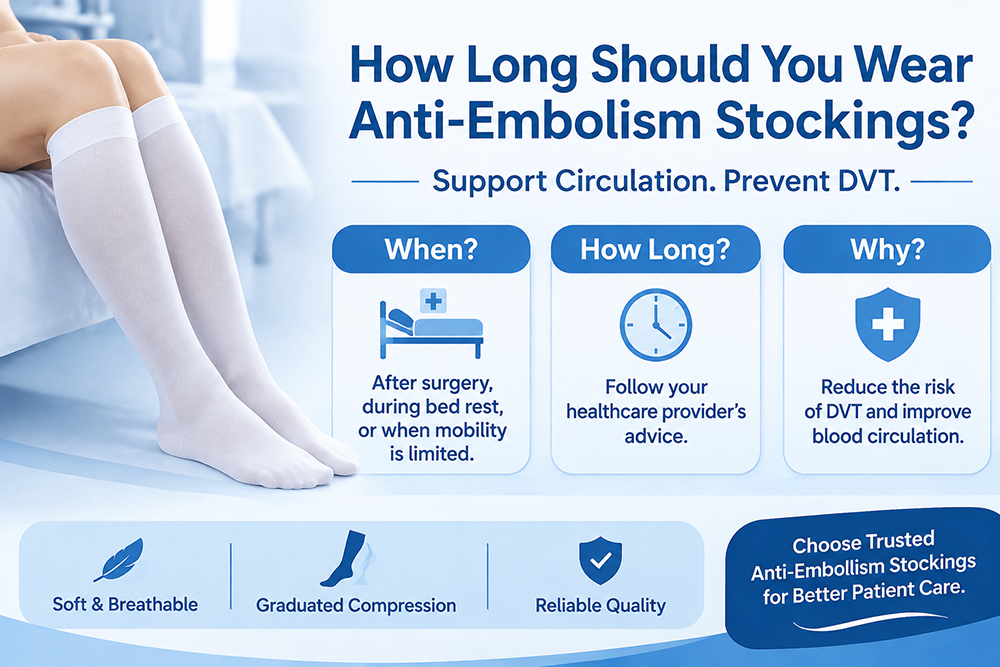 How Long Should You Wear Anti-Embolism Stockings?
 How Long to Wear Anti-Embolism Stockings After Surgery?
 Do Anti-Embolism Stockings Prevent Blood Clots?
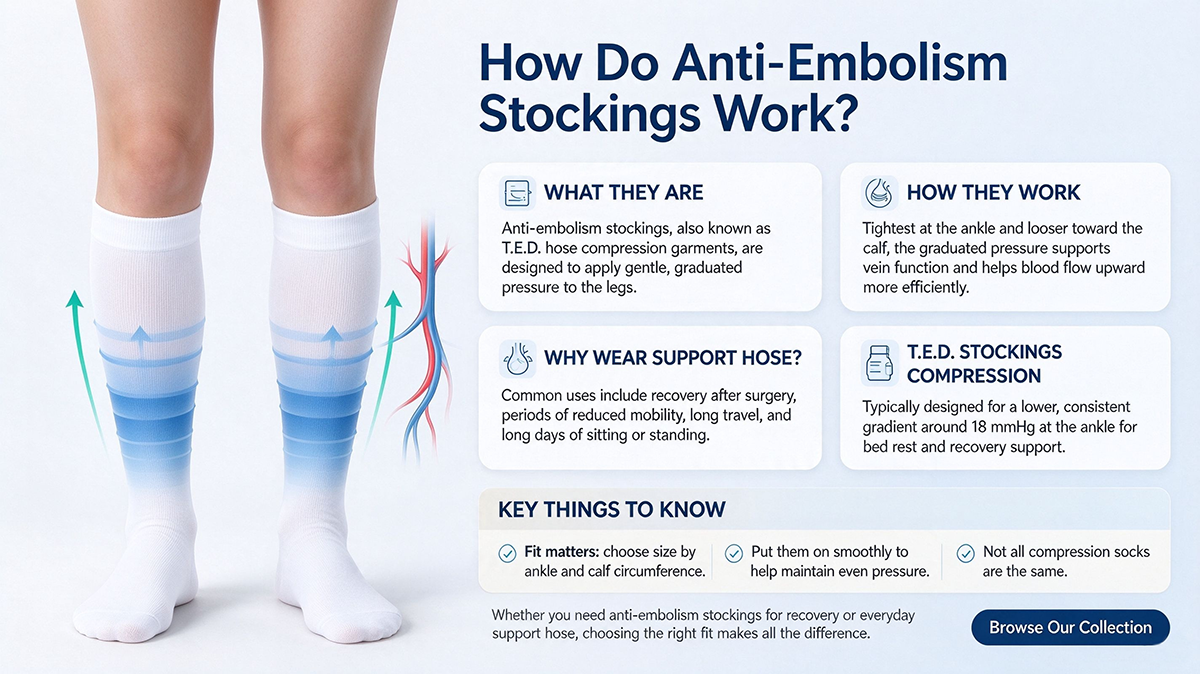 How Do Anti-Embolism Stockings Work?
 What Are Anti-Embolism Stockings Used For?
 What Are Anti-Embolism Stockings?
 What Are the Best Compression Socks for Travel and Walking?
 Are Compression Socks Good for Running and Exercise?
 What Compression Socks Should I Wear After Surgery?
 Are Compression Socks Good for Older Adults?
 What Are the Best Compression Socks for Nurses?
 Are Compression Socks Safe to Wear During Pregnancy?
 What Are the Best Compression Socks for Long Flights? | Rongrong Hosiery
 What Are the Best Compression Socks for Standing All Day?
 What Compression Level Do I Need for Varicose Veins? | Rongrong Hosiery
 Should I Choose Knee-High or Thigh-High Compression Socks? | Rongrong Hosiery
 What Size Compression Socks Do I Need?